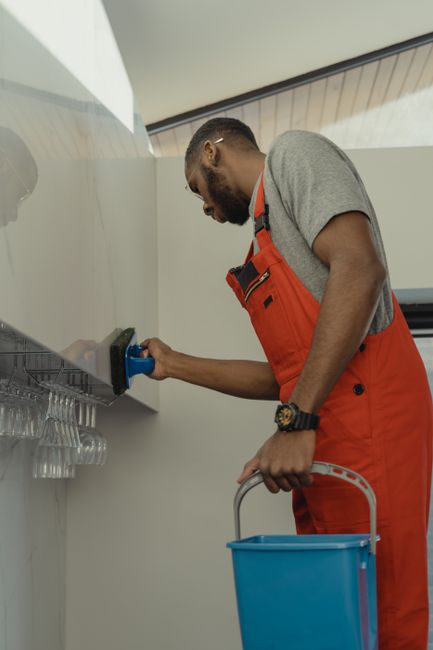
Canary Wharf End of Tenancy Cleaning Guide for Landlords London

If you are a landlord with a flat or apartment in Canary Wharf, end of tenancy cleaning is one of those jobs that looks simple right up until checkout day. The difference between a smooth handover and a frustrating dispute is often down to detail: skirting boards, limescale, greasy ovens, carpet fibres, window tracks, and the bits you only notice when the afternoon light hits just right. This Canary Wharf End of Tenancy Cleaning Guide for Landlords London breaks the process down in a practical, landlord-focused way so you can protect your property, reduce delays, and set the next tenancy up properly.
Truth be told, in prime London rentals the cleaning standard is rarely about making a home look "tidy". It is about presenting a property at a level that matches the tenancy agreement, the inventory, and what a fair inspector would expect. Let's get into what matters, what doesn't, and where landlords usually save time by getting the sequence right.
Why Canary Wharf End of Tenancy Cleaning Guide for Landlords London Matters
Canary Wharf rentals tend to be high-spec, high-use, and time-sensitive. That combination changes the cleaning conversation. A glass-walled flat with an open-plan kitchen can show every mark. A compact one-bed can accumulate dust in places that tenants miss completely. And in London, where move-out dates are often tightly packed, a landlord cannot always rely on "we'll give it a quick once-over".
The main reason this guide matters is simple: end of tenancy cleaning is part practical maintenance, part risk control. A proper clean helps you:
- present the property in a condition close to the original inventory standard
- reduce complaints at check-out
- protect furniture, flooring, fixtures, and appliances from residue build-up
- speed up re-letting by making the flat ready for viewings sooner
- avoid awkward back-and-forth over what is "clean enough"
There is also a reputational angle. In a competitive part of London, tenants talk, agents notice, and small details can influence how smoothly future lets go. A property that feels cared for tends to attract better enquiries. No mystery there.
If you are working with a professional team, a company that is set up for end of tenancy cleaning can help standardise the process. And if you want to understand the broader approach a trusted provider takes, it is worth looking at their about us information, plus practical details like pricing and quotes and terms and conditions.
How Canary Wharf End of Tenancy Cleaning Guide for Landlords London Works
End of tenancy cleaning is not the same as routine domestic cleaning. It is deeper, more methodical, and designed around a handover. For landlords, the best approach is to think in layers: first the property is cleared, then sanitised, then detailed, then checked.
In a typical Canary Wharf property, the work starts with a walkthrough. You or your agent identify the areas that need attention, compare the current condition against the inventory, and note any items needing specialist care. That might be oven grease, limescale on glass and chrome, marks on walls, stained upholstery, or worn carpet areas that need a proper carpet cleaning treatment.
From there, the job usually follows a practical sequence:
- Remove clutter and waste so surfaces are accessible.
- Clean top to bottom so dust and debris fall onto areas that have not yet been finished.
- Target kitchens and bathrooms because these are the most checked rooms.
- Tackle floors, upholstery, and windows once the main surfaces are done.
- Carry out a final inspection with the inventory in mind, not just with the eye of someone who has been standing in the room all day.
That last point matters. You can stare at a room for an hour and stop noticing obvious things. It happens. A second pass, ideally by someone not involved in the cleaning, often catches the awkward bits: a splash behind the tap, a dusty extractor vent, or fingerprints on a mirrored wardrobe.
Where a property has heavy use or a long tenancy, a deeper service may be needed rather than a light refresh. In those cases, combining a tenancy clean with deep cleaning can make a real difference. Some landlords also add specialist treatments such as oven cleaning, window cleaning, or upholstery cleaning where the property needs a visibly fresher finish.
Key Benefits and Practical Advantages
For landlords, the benefits are not just cosmetic. A properly managed end of tenancy clean can save time, reduce friction, and make the property easier to market. In a fast-moving area like Canary Wharf, that can mean fewer vacant days, fewer complaints, and a better first impression for the next occupant.
Practical advantages include:
- Faster turnaround between tenancies, especially where viewings are booked quickly.
- Better inventory alignment, which makes the check-out process calmer and more objective.
- Lower repair pressure because dirt is not mistaken for damage.
- Better presentation for photos and agent-led viewings.
- Improved asset care for flooring, kitchen appliances, and sanitary fittings.
There is a small but important distinction here: cleaning is not a substitute for repairs, and repairs are not a substitute for cleaning. A scuffed skirting board may need a decorator, while greasy cabinet doors need cleaning. When those jobs get blurred, handovers become messy, and nobody wants that conversation on a Friday afternoon.
Another advantage is consistency. A landlord managing several flats, perhaps across one building or a few blocks, can create a repeatable standard. That helps with portfolio-level management. You are not reinventing the wheel every single time. If you also need support with other property maintenance after refurbishments or tenant wear-and-tear, services such as after builders cleaning can be useful when a property has just had remedial work done.
Who This Is For and When It Makes Sense
This guide is for landlords, letting agents, block managers, and property owners who need a reliable handover standard in Canary Wharf and the wider London rental market. It is especially relevant if your property is:
- a furnished flat with carpets, sofas, or mattresses
- an executive rental where presentation is part of the value
- a short-let or corporate let that turns over regularly
- a property with previous tenancy issues around cleanliness
- one that will be re-marketed immediately after checkout
It also makes sense if you are weighing up whether to book a one-off clean or rely on your usual in-house team. A general one-off cleaning visit can work for lighter situations, but properties with a lot of built-up grime, appliances, or soft furnishings usually need the more structured tenancy approach.
For some landlords, the concern is simple: "Do I need this every time?" Not always. But if the inventory is detailed, the property is furnished, or the tenant has been in place for a while, it is usually the safer call. Canary Wharf flats tend to show dust and glass marks more quickly than people expect. A morning sunbeam across a kitchen splashback can be very unforgiving. Annoying, but true.
For property owners who manage mixed stock, it can also help to use broader support from a professional cleaning company that can handle different property types with a consistent standard. Some landlords prefer to keep one supplier for end-of-tenancy work, regular domestic cleaning, and even office-related premises if they also manage commercial units via office cleaning. That is not for everyone, but it can make life easier.
Step-by-Step Guidance
Here is the landlord-friendly version of the process. Nothing fancy, just a sequence that works.
-
Start with the inventory and tenancy agreement.
Check what "clean" means in writing. If the inventory mentions specific appliances, blinds, upholstery, or flooring, those details should shape the clean. The agreement often tells you more than memory does.
-
Inspect the property before booking work.
Walk through every room and look for hidden issues: lime scale, mould spots, odours, pet hair, grease behind appliances, and marks around handles and switches.
-
Remove leftover items and rubbish.
If the tenant has left belongings behind, you may need a clear-out step before cleaning can begin. In more cluttered situations, house clearance support can be the simplest route.
-
Clean the kitchen in a strict order.
Start with the top cupboards and finish with the floor. Give extra attention to the hob, extractor, sink, taps, fridge seals, splashback, and oven. The oven is often the make-or-break item, frankly.
-
Move through bathrooms with detail.
Descale taps and shower screens, clean grout, polish mirrors, and check behind toilets and around pipework. A bathroom can look clean at first glance and still fail a closer inspection.
-
Address flooring and soft furnishings.
Vacuum edges, corners, and under furniture. If there are stains, odours, or flattened pile, arrange the right specialist treatment, such as rug cleaning, sofa cleaning, or broader carpets cleaning support.
-
Finish with glass, trims, and touchpoints.
Light switches, door handles, wardrobes, skirting boards, and windows are small jobs that collectively change the feel of a property. They matter more than people think.
-
Do a final landlord-style check.
Stand in the doorway of each room and ask: would I be comfortable handing this over in this condition? That question is surprisingly effective.
Expert Tips for Better Results
There are a few habits that consistently improve end of tenancy outcomes, especially in London flats where speed and presentation both matter.
- Book the clean after removals, not before. Cleaning around moving boxes is a recipe for missed areas and frustration.
- Prioritise the rooms that trigger complaints. Kitchens and bathrooms usually decide whether the handover feels satisfactory.
- Use photographs as a comparison tool. Inventory photos help you see what "normal wear" looked like at move-in.
- Ask for a methodical, room-by-room finish. A random sweep is not enough for a tenancy exit.
- Pay attention to smell as well as sight. A room can look spotless and still feel stale. Ventilation and deep fabric cleaning matter.
One little thing landlords often forget: heating dust and radiator backs. In winter, tenants keep windows closed and dust settles in layers. You may not notice it until the room warms up and that dry, dusty smell appears. Not ideal, especially if the next viewing is the same day.
If your property includes hard surfaces like tiled hallways or engineered flooring, a targeted treatment such as hard floor cleaning helps restore shine without leaving residue. For mirrored wardrobes and balcony-facing glazing, good window cleaning can make the whole property feel brighter, which is especially useful in Canary Wharf where natural light really is part of the appeal.
And yes, the oven. Always the oven. You could almost build a landlord checklist around it.
Common Mistakes to Avoid
Most tenancy cleaning problems come from the same handful of mistakes. Once you spot them, they are pretty easy to avoid.
- Assuming the tenant has cleaned to the required standard. Some do, many do not. You need to verify, not hope.
- Skipping hidden areas. Behind appliances, under radiators, inside cupboard corners, and around seals are classic trouble spots.
- Using the wrong product on delicate surfaces. Strong chemicals can damage stone, painted wood, or specialist flooring.
- Leaving specialist jobs too late. Carpet stains, upholstery marks, and oven build-up often need separate planning.
- Failing to match the inventory. A property can look "clean" and still fail the documented standard.
A subtle mistake is over-cleaning without a plan. That sounds odd, but it happens. People spend ages polishing an already decent living room and then rush the kitchen extractor. The result? Time wasted and the important bit left half-finished. A good sequence matters.
Another one: not checking the final result in daylight. Evening lighting can hide smears on glass and dust on white surfaces. By the next morning, it all shows up again. Bit cruel, really, but that is London light for you.
Tools, Resources and Recommendations
You do not need a warehouse of equipment to manage a good tenancy clean, but you do need the right tools for the job. The essentials are straightforward:
- microfibre cloths and non-abrasive pads
- vacuum attachments for edges, corners, and soft furnishings
- degreaser suitable for kitchen surfaces
- descaler for taps, shower glass, and bathroom fittings
- glass cleaner that does not leave streaks
- floor-safe detergent matched to the surface type
- specialist appliance and fabric products where required
For landlords who want a more streamlined approach, it is worth using a provider with clearly explained service scope, safety information, and payment processes. Pages such as insurance and safety and payment and security help you understand how a company handles practical and administrative issues before you commit.
It is also sensible to review the company's operational policies, especially if you are entrusting them with occupied or high-value properties. Useful context can often be found in their health and safety policy, privacy policy, and recycling and sustainability information. That may sound a bit administrative, but for landlords it is part of due diligence, and honestly, it saves headaches later.
If you need a broader support team for repeated property work, a reliable set of cleaners or dedicated home cleaners can help with ongoing upkeep between tenancies. The point is not to overcomplicate it; it is to make the process consistent.
Law, Compliance, Standards, or Best Practice
For landlords in London, end of tenancy cleaning sits inside a wider framework of tenancy management, inventory evidence, and fair expectations. This article is not legal advice, but a few best-practice points are worth keeping in mind.
First, the tenancy agreement and check-in inventory are your anchor documents. If they describe the property condition at move-in, your check-out expectations should be based on that same standard, allowing for fair wear and tear. That phrase matters. Fair wear and tear is not the same as neglect, and it should not be treated like it is.
Second, keep records. Before-and-after photographs, dated notes, invoices, and written check-out observations can all help if there is a dispute. Clear records reduce argument. Simple as that.
Third, use providers who work safely and transparently. If a contractor is entering a property, handling electrical appliances, moving equipment, or using cleaning chemicals, you want confidence that sensible procedures are in place. That is where a company's insurance and safety and health and safety policy become relevant, even if the cleaning itself seems routine.
Fourth, avoid making assumptions about deductions or damage. In practice, a clean can support your position, but it does not automatically decide liability. If you need to discuss concerns or service issues with a provider, a clear complaints procedure is a useful sign that the business takes accountability seriously.
Finally, remember that best practice is about fairness and consistency. If you apply the same standard every time, your portfolio becomes easier to manage. That is one of those quiet landlord wins nobody celebrates, but you will feel it later.
Options, Methods, or Comparison Table
Landlords usually choose between three approaches: handling the clean themselves, using an in-house or ad hoc cleaner, or booking a dedicated tenancy clean. Each has pros and cons.
| Method | Best for | Strengths | Limitations |
|---|---|---|---|
| DIY landlord clean | Small, lightly used, unfurnished properties | Low direct cost, full control | Time-heavy, inconsistent finish, easy to miss detail |
| General cleaning visit | Properties needing a light refresh | Useful for basic upkeep and recurring maintenance | May not cover tenancy-level detail or specialist tasks |
| Dedicated end of tenancy clean | Most furnished London rentals, especially higher-value flats | Structured, thorough, better for handover and inventory matching | Higher upfront spend than a basic visit |
In practical terms, the dedicated approach is often the most efficient choice when the tenancy is ending under pressure. A bespoke tenancy clean with add-ons like oven cleaner support or carpet cleaner attendance can work out better than trying to patch together multiple small jobs yourself. It is more coordinated. Less faff, as people say.
Case Study or Real-World Example
Here is a realistic example from the kind of situation landlords in Canary Wharf see all the time.
A two-bedroom furnished flat near the docks has been occupied for 18 months. The tenants have left on time, but the apartment needs a serious refresh before the next viewing cycle. The kitchen has a greasy hob and a tired oven, the bathroom has limescale on the shower screen, the lounge carpet has a couple of tracked-in marks, and the balcony doors show fingerprints and dust along the frame.
If you tried to handle that with a quick surface clean, it would still feel "lived in". Not disastrous, but not ready either. In that case, the landlord's best move is to treat the property as a structured handover project:
- remove leftover items and rubbish first
- book a proper tenancy clean
- add oven and carpet treatments where the evidence is obvious
- finish with glass, frames, and touchpoint detailing
The result is not just visual. The whole flat feels calmer. Cleaner air, less noise from sticky cupboard hinges, brighter light, fewer distractions during viewings. That quiet sense of order makes a difference. You notice it instantly when you walk in.
For landlords handling multiple units, this process becomes a template. One flat is a bit heavier on upholstery, another needs stronger kitchen work, but the core sequence remains the same. And that consistency is where a good cleaning partner earns their keep.
Practical Checklist
Use this before you hand the keys back or list the property again.
- Inventory checked and move-in standard reviewed
- Tenants' belongings removed
- Kitchen surfaces degreased
- Oven, hob, extractor, fridge, and cabinets cleaned
- Bathroom taps, tiles, screen, toilet, and grout detailed
- Floors vacuumed and appropriate floor cleaning completed
- Carpets, rugs, sofas, or upholstery treated if needed
- Windows, frames, and sills cleaned
- Skirting boards, doors, handles, and switches wiped down
- Bins emptied and waste removed
- Final walk-through completed in good daylight
- Photos taken for records
Expert summary: The best landlord approach is simple: clean to the inventory, not to a guess. Focus on kitchens, bathrooms, floors, and glass first, then use specialist support where the property needs it. That is usually where the biggest gains are.
Conclusion
Canary Wharf end of tenancy cleaning is really about control. Control over presentation, timing, records, and the standard you hand to the next tenant. When landlords treat it as a structured process rather than a last-minute chore, everything becomes easier: inspections are clearer, viewings feel better, and properties turn over with less drama.
Of course, every property is different. A sleek one-bed with minimal furniture is not the same as a family-sized flat with heavy use and fabric pieces. But the principle stays the same: start with the inventory, clean methodically, and do not leave the awkward jobs to chance.
If you are planning a checkout soon, it is worth using a team that understands both the practical and the trust side of the job. A transparent, well-organised cleaning company can save you time and remove a lot of stress. And that, to be fair, is probably the real win.
Get a free quote today and see how much you can save.
When the keys are back in your hand and the flat feels fresh again, the whole process tends to feel a lot lighter. That is the goal, really.
Frequently Asked Questions
What does end of tenancy cleaning usually include for landlords in Canary Wharf?
It usually includes a full property clean with focus on kitchens, bathrooms, floors, windows, skirting boards, appliances, and soft furnishings where relevant. The exact scope should match the inventory and tenancy agreement.
Do landlords need professional end of tenancy cleaning every time?
Not every time, but it is often the most practical option for furnished properties, longer tenancies, or homes that need a detailed handover clean. The more visible the wear, the more sense it makes.
Is a normal domestic clean enough for a move-out inspection?
Sometimes for very lightly used properties, but usually not. A domestic clean is often lighter in scope, while a tenancy clean is designed specifically for checkout standards and inventory comparison.
What are the most commonly missed areas during move-out cleaning?
Behind and under appliances, inside ovens, shower screens, extractor fans, skirting boards, window tracks, door handles, and the tops of cupboards are common misses. These are the places that quietly cause disputes.
How important is carpet cleaning at the end of a tenancy?
Very important if the carpets show stains, odours, flattened pile, or obvious dirt. Even when the floor looks acceptable at a glance, carpet fibres can hold dust and marks that show up under better light.
Should landlords clean before or after the tenants move out?
After, ideally. Once the property is empty, access is easier and cleaners can work properly without boxes, furniture movement, or people getting in each other's way.
What if the property has leftover items or rubbish?
It is best to remove all waste and abandoned items before the tenancy clean begins. If the property is cluttered, a clearance step may be needed first so the cleaners can reach all surfaces.
How do I know if a cleaning company is trustworthy?
Look for clear service information, safety practices, insurance details, transparent terms, and a sensible complaints process. Those details matter as much as the cleaning itself. A tidy website alone is not enough, let's face it.
Can end of tenancy cleaning help with re-letting a flat faster?
Yes. A fresh, well-presented property is easier to photograph, easier to show, and generally easier to market. Clean spaces create a better first impression, especially in competitive London developments.
What is the difference between deep cleaning and end of tenancy cleaning?
Deep cleaning is a broad intensive clean that can suit many situations, while end of tenancy cleaning is specifically geared toward handover, checkout standards, and inventory alignment. They overlap, but they are not identical.
Do I need to worry about safety and insurance when booking cleaners?
Yes. If someone is entering your property and using equipment or chemicals, you want confidence that sensible procedures and cover are in place. Reviewing safety and insurance information is a smart move.
Where can I ask for pricing or arrange a visit?
You can review the provider's service details and request the next step through the site's pricing information and contact channels. If the property is complex, it is usually best to explain the rooms, condition, and any specialist tasks upfront.